Physical Address
304 North Cardinal St.
Dorchester Center, MA 02124
Physical Address
304 North Cardinal St.
Dorchester Center, MA 02124


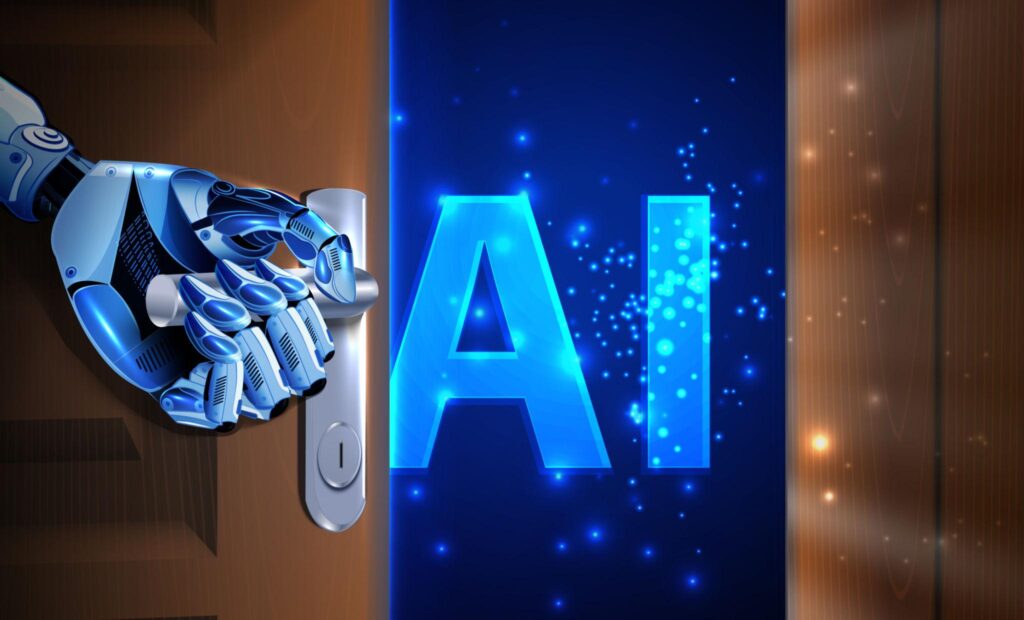
The world is standing at the edge of a historic transformation—the AI revolution. Just as electricity and the internet changed human civilization forever, artificial intelligence (AI) is redefining how we live, work, think, and innovate. What once existed only in science fiction is now deeply embedded in our daily lives, quietly powering smartphones, businesses, hospitals, classrooms, and even creativity itself.
The AI revolution refers to the rapid advancement and adoption of intelligent machines that can learn, reason, analyze, and make decisions with minimal human intervention. Unlike traditional software that follows fixed rules, AI systems learn from data, improve over time, and adapt to new situations. This shift from programmed logic to learning intelligence marks a fundamental change in technology.
At its core, AI includes machine learning, deep learning, natural language processing, computer vision, and generative systems. Together, these technologies enable machines to understand language, recognize images, predict outcomes, and even create content that feels human-like.
Most people interact with AI without even realizing it. Recommendation systems suggest movies, songs, and products. Navigation apps predict traffic. Voice assistants respond to commands. Spam filters protect inboxes. Facial recognition unlocks phones. These everyday conveniences are early signs of a much larger transformation.
In healthcare, AI is helping doctors detect diseases earlier, analyze medical images with high accuracy, and personalize treatments. In finance, algorithms detect fraud, assess credit risk, and automate trading. In agriculture, AI predicts crop yields, monitors soil health, and optimizes irrigation. Across industries, AI is increasing efficiency, accuracy, and scale.
One of the most debated aspects of the AI revolution is its impact on jobs. AI is automating repetitive, rule-based tasks—data entry, customer support, basic analysis, and manufacturing processes. While this raises concerns about job displacement, history shows that technological revolutions also create new roles.
AI is generating demand for new skills such as data analysis, AI ethics, prompt engineering, system design, and human–AI collaboration. More importantly, AI is shifting human work toward creativity, strategy, empathy, and complex problem-solving—areas where humans still excel.
Rather than replacing humans entirely, AI is becoming a powerful co-worker, augmenting human intelligence and productivity.
One of the most surprising developments is AI’s role in creativity. AI can now write articles, generate images, compose music, edit videos, and assist in design. This does not eliminate human creativity; instead, it expands it.
Creators can brainstorm faster, experiment more, and bring ideas to life with fewer barriers. Small teams and individuals now have tools that once required large budgets. The creative playing field is being democratized, allowing talent—not resources—to drive innovation.
With great power comes great responsibility. The AI revolution also raises serious ethical questions. Bias in AI systems, data privacy, misinformation, surveillance, and job inequality are real concerns. If AI is trained on biased data, it can amplify existing social inequalities.
Transparency, accountability, and responsible AI development are essential. Governments, companies, and individuals must work together to ensure AI benefits humanity as a whole—not just a few. Ethical frameworks, regulations, and human oversight will play a critical role in shaping AI’s future.
The AI revolution is still in its early stages. Future AI systems will become more personalized, context-aware, and collaborative. We will see smarter healthcare, more adaptive education, autonomous transportation, and intelligent cities.
However, the most important factor will not be how advanced AI becomes—but how wisely humans choose to use it. AI is a tool, not a destiny. Its impact depends on our values, decisions, and vision.
The AI revolution is not a distant future—it is happening now. It is transforming industries, redefining creativity, reshaping work, and challenging society to evolve. Those who understand AI, adapt to it, and use it responsibly will thrive in this new era.
Artificial intelligence is not here to replace humanity. It is here to amplify human potential. The real revolution lies not in machines becoming more human—but in humans becoming more empowered.
